
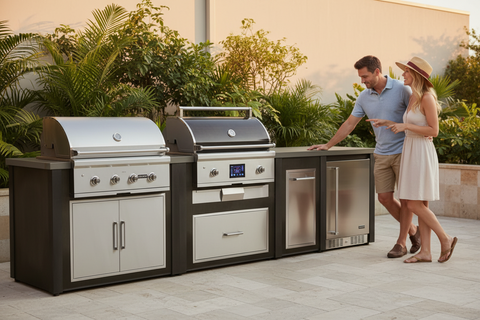
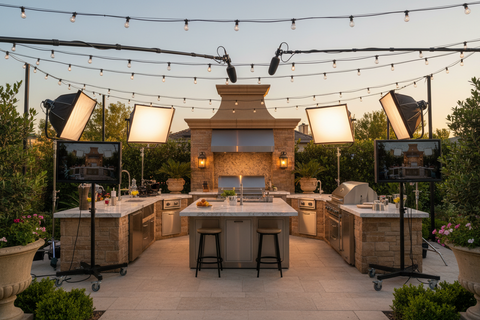












The Luxe Patios — Outdoor Living
Outdoor Living, Built in Zones.
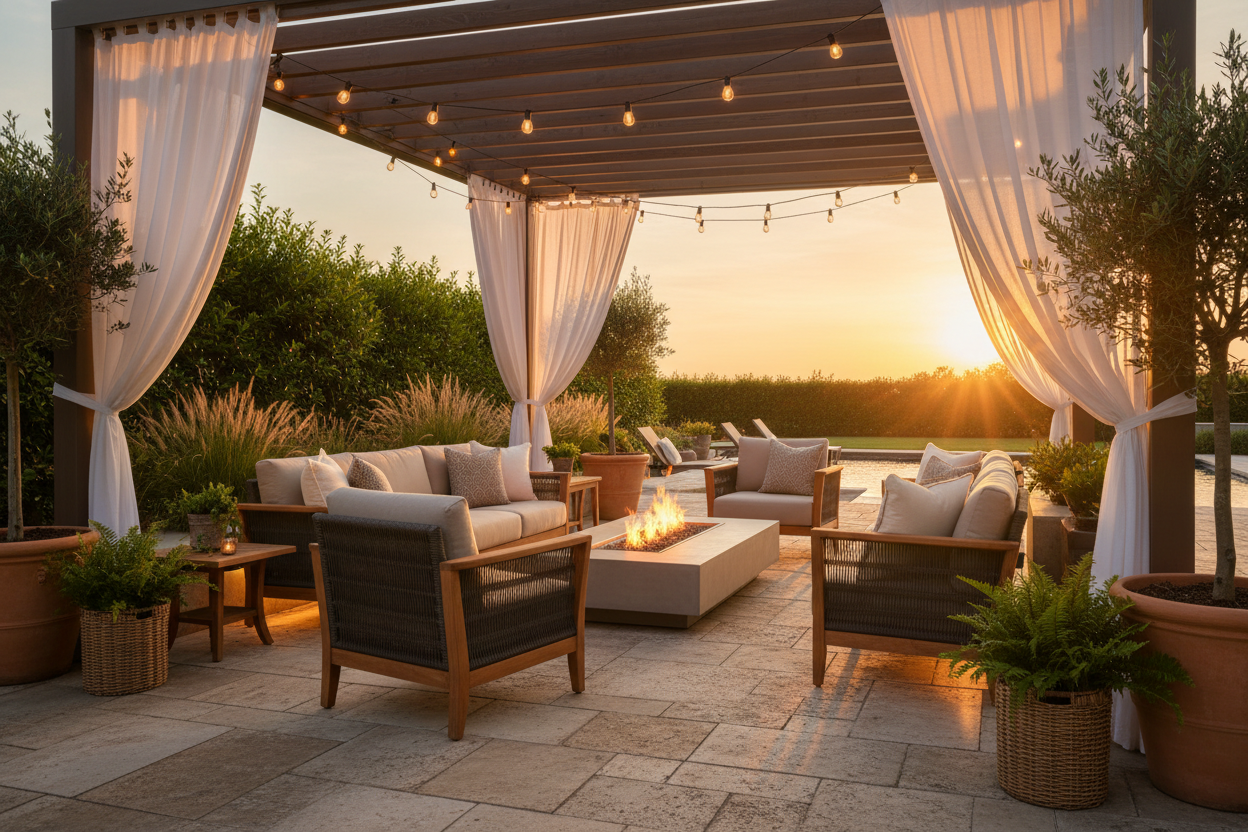
Lighting, heating, shade, and structure — curated and engineered to work together. Designed for how you live outside.
The Outdoor Living Zones
Designed as a system. Shopped by zone.

Outdoor Lighting
Layered illumination that extends every evening and shapes the mood of the space.
Explore the Zone →
Heating & Comfort
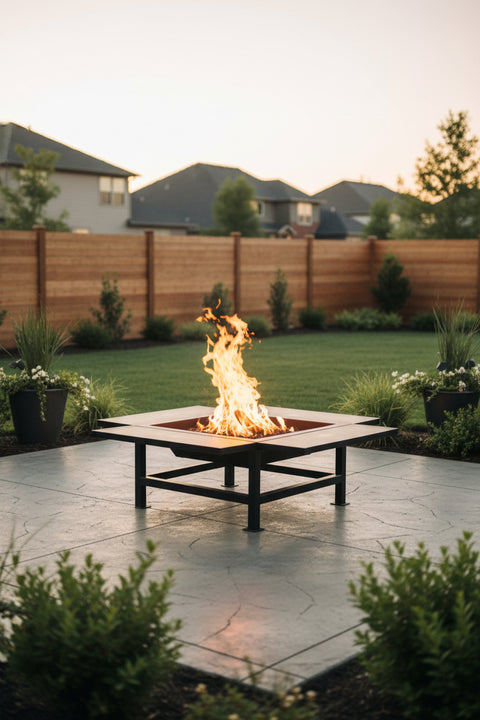
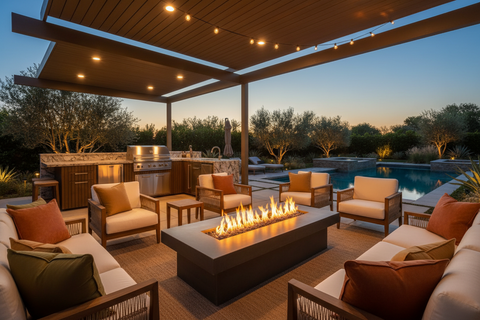
Patio heaters and fire features that make outdoor living a year-round experience.
Explore the Zone →
Structure & Shade
Pergolas, louvered roofs, and architectural shade that define the outdoor room.
Explore the Zone → Arriving Soon
Outdoor Furniture
Curated seating, dining, and lounge collections. Joining the ecosystem this season.
Be First to Know →The Luxe Approach
Why we design in zones.
The best outdoor spaces aren't assembled — they're composed. We organize patios into intentional zones so lighting, comfort, structure, and gathering each have a role. The result: a space that works at noon, holds its own at midnight, and feels complete in every season.
Curated Brands
Only vetted, high-end manufacturers — never marketplace clutter.
Regional Install Support
Southeast installation network closes the gap between purchase and patio.
Design Studio Guidance
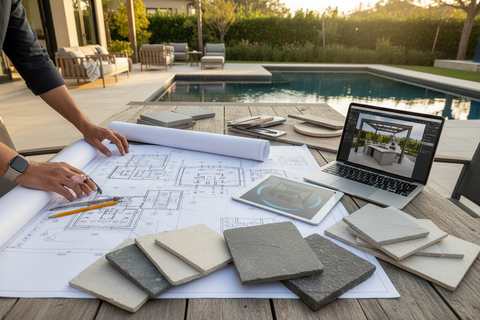
Plan a single zone or your full backyard — at your pace, with experts.
Ready to design your outdoor space?
Start with the products. Build with the studio. Close with our install team.
